
From the soft movement of cedar to the sculptural character of pine, discover the evergreen varieties that bring texture, fragrance, and natural beauty to seasonal design
6 min read | Published November 8, 2026 | by Tracee Nichelle
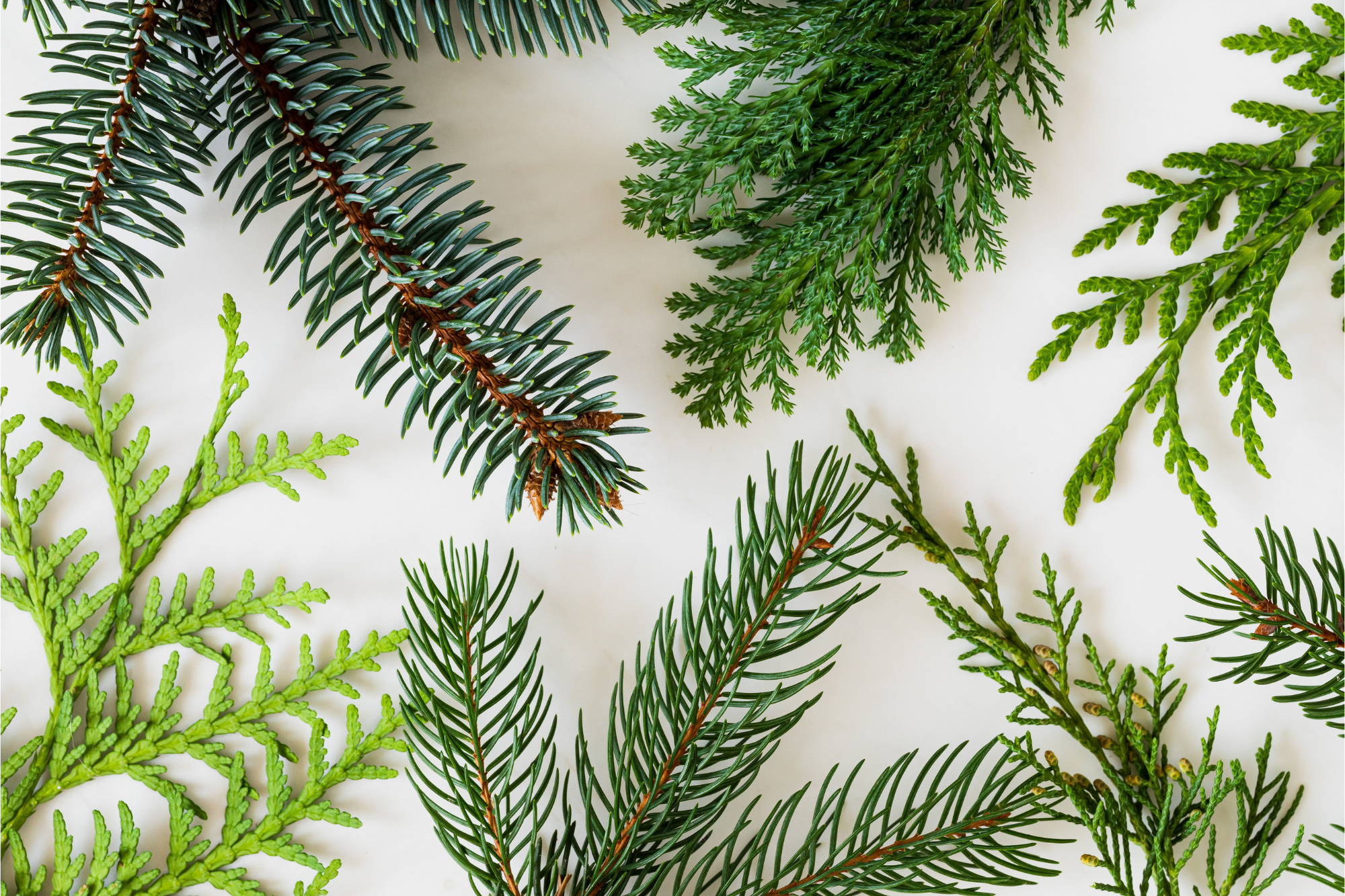
Mixed evergreen varieties
KEY POINTS
Cedar, fir, pine, spruce, and juniper each offer distinctive foliage, textures, and forms.
Combining different evergreens creates depth, contrast, and natural movement in botanical arrangements.
Choosing greenery based on its structure, flexibility, and durability helps create more balanced designs.
Evergreens are among nature's most beautiful winter botanicals. While much of the garden settles into dormancy, their foliage continues to bring color, structure, and life to the landscape.
For botanical designers, evergreens offer something equally special. Each variety has its own character—some are soft and flowing, others structured and architectural. Understanding their differences opens up new possibilities for wreaths, garlands, arrangements, and seasonal spaces.
Getting to Know the Evergreens
Cedar | Softness & Movement
Cedar is loved for its graceful form and delicate foliage. Depending on the species, its branches may have a flowing, feathery appearance that introduces softness and movement into an arrangement.
Western redcedar, for example, has flattened sprays of scale-like foliage that drape beautifully in garlands and wreaths.
Design Notes: Use cedar to soften structured compositions, create cascading details, or add a natural sense of movement.
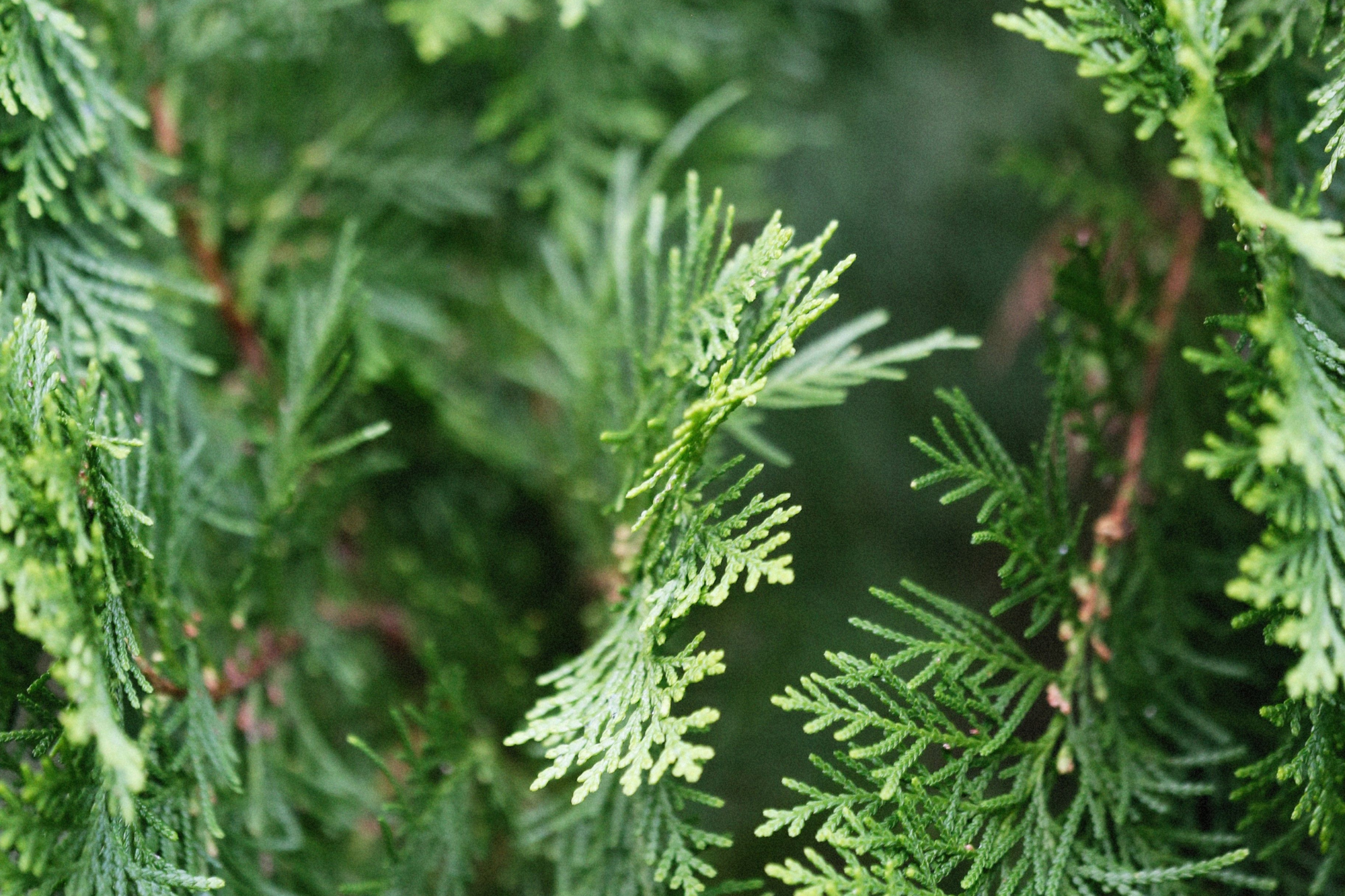
Cedar Evergreen
Fir | Fullness & Structure
Fir is a favorite for holiday decorating, particularly Fraser fir and noble fir.
Its relatively flat needles create a full, layered appearance, while its branches provide structure for wreaths, garlands, and arrangements. Many fir varieties also have a distinctive evergreen fragrance.
Design Notes: Fir makes an excellent foundational material for fuller arrangements and traditional evergreen wreaths.
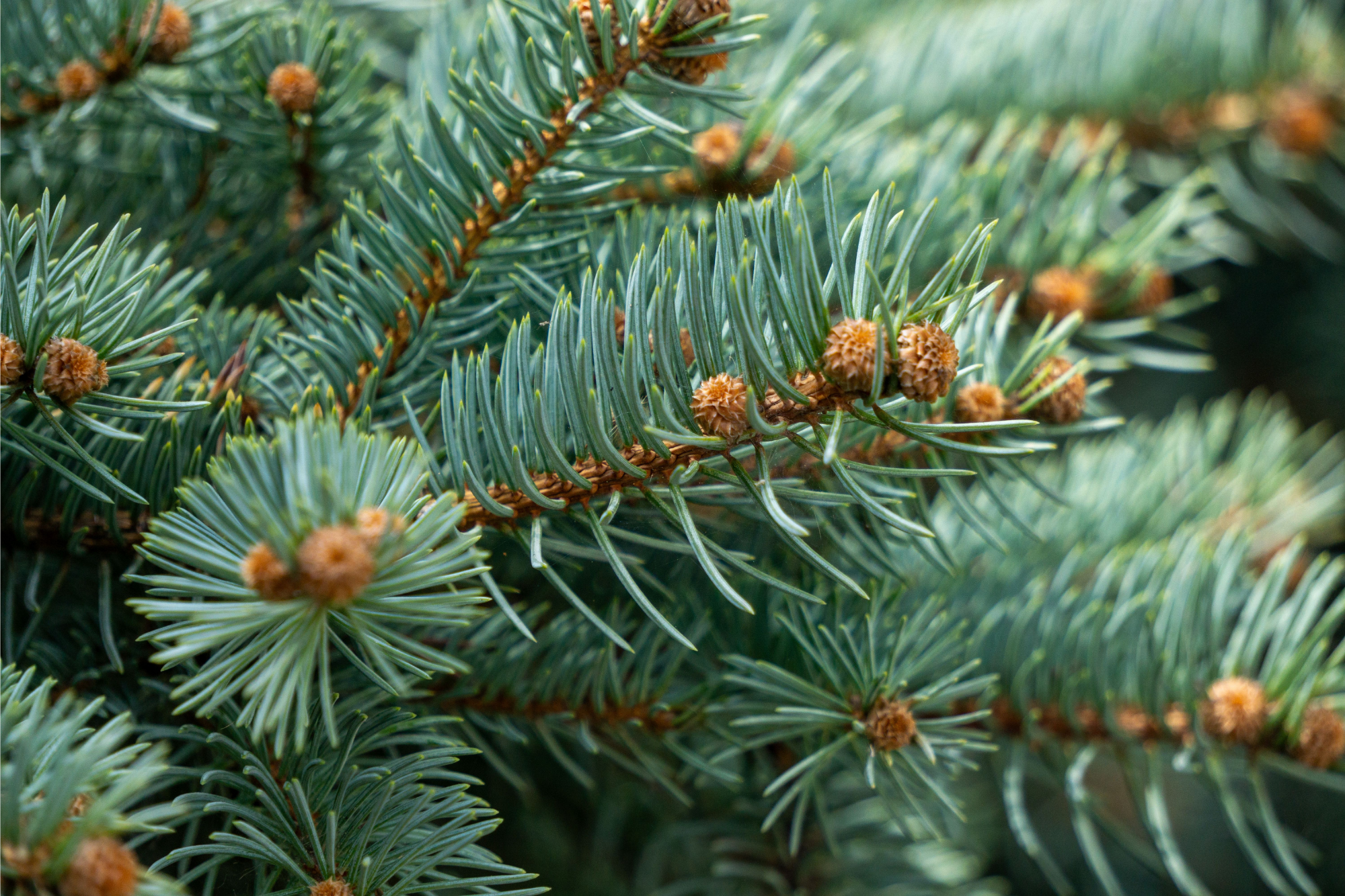
Fir Evergreen
Pine | Texture & Character
Pine is instantly recognizable by its long, slender needles, which grow in bundles.
Its open, expressive branches introduce a different texture from the dense foliage of fir and cedar. Long-needle varieties, such as eastern white pine, can create a particularly soft and airy effect.
Design Notes: Use pine to introduce movement, contrast, and a more relaxed, natural character.
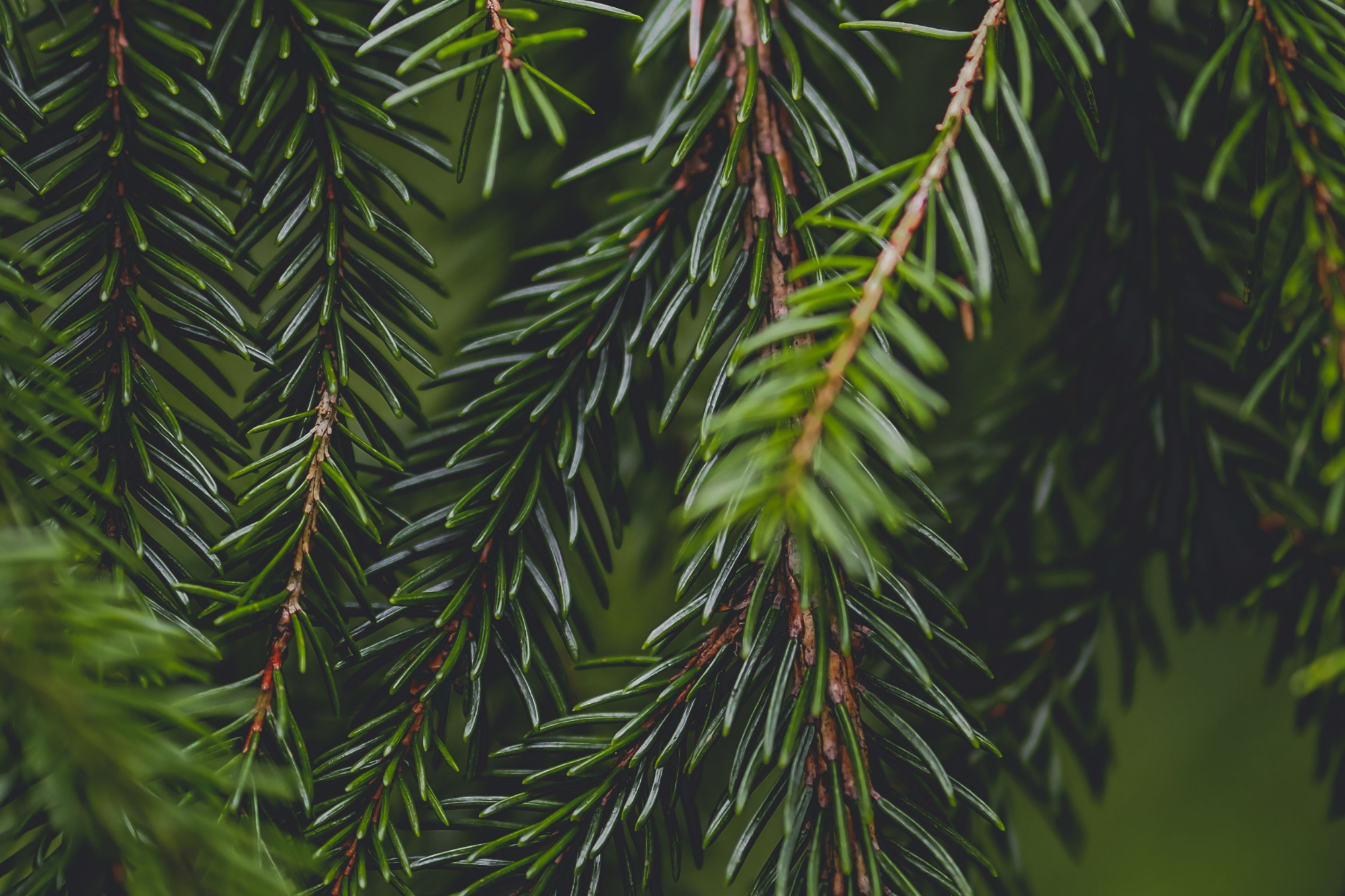
Pine Evergreen
Spruce | Definition & Form
Spruce brings a distinctly architectural quality to botanical design.
Its short, pointed needles grow individually around the branches, giving the foliage a crisp, defined appearance. Many spruce varieties hold a strong shape, making them visually interesting in winter arrangements.
Design Notes: Spruce works beautifully where a more structured, sculptural effect is desired. Handle carefully, as its needles can be sharp and some cut varieties shed indoors.
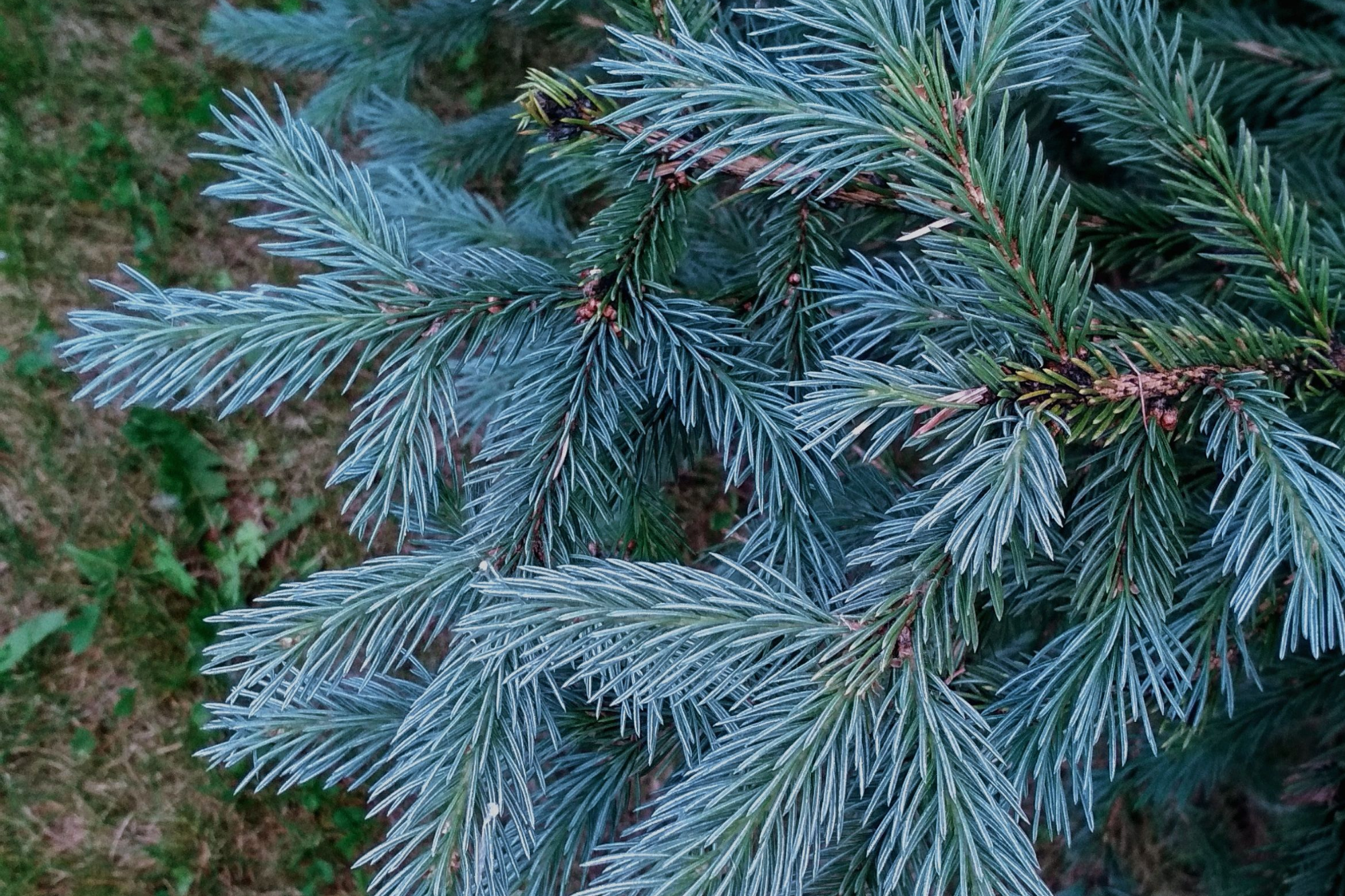
Blue Spruce Evergreen
Juniper | Texture & Subtle Color
Juniper offers an intriguing combination of foliage, form, and color.
Depending on the variety, its foliage may be needle-like or scale-like, with shades ranging from rich green to silvery blue. Some varieties also produce small, berry-like cones that add another layer of botanical interest.
Design Notes: Use juniper for subtle color variation, fine texture, and unexpected natural details.
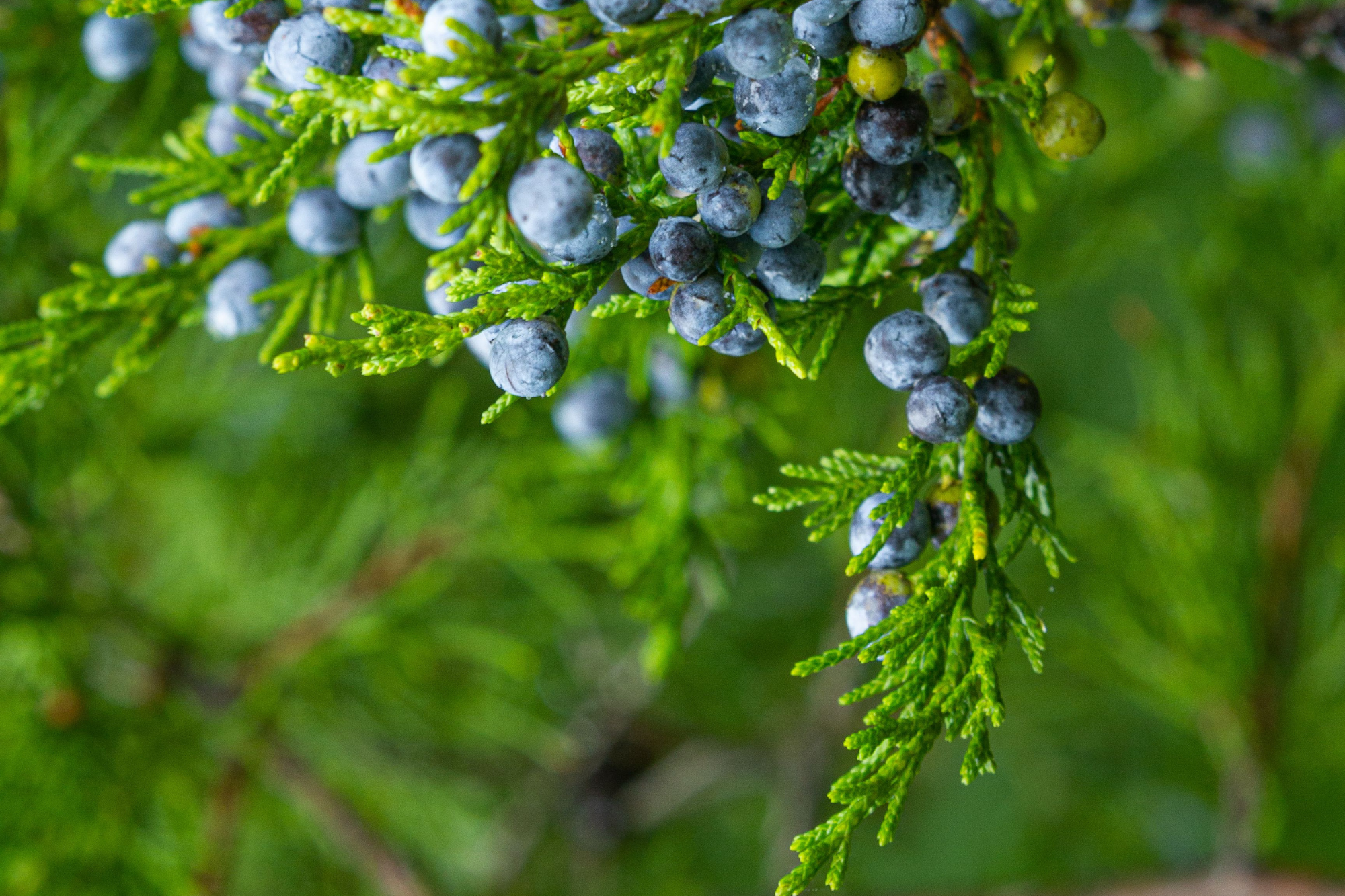
Juniper Evergreen
The Art of Combining Evergreens
One of the most beautiful aspects of evergreen design is the relationship between different botanical materials.
A wreath made entirely from fir has a full, traditional appearance. Introduce cedar, and the composition becomes softer and more fluid. Add pine for movement or juniper for a contrasting texture and subtle shifts in color.
The result is a botanical arrangement that feels layered, expressive, and connected to nature.
At Garden & Gate, we approach evergreen design by considering three elements:
Structure: The branches that establish the overall form and foundation.
Texture: The combination of foliage shapes, needle lengths, and botanical details.
Movement: The natural direction and flow of branches that give a composition its character.
A Few Tips for Working with Fresh Evergreens
Choose freshly cut branches with flexible foliage and minimal needle loss.
Keep greenery cool and hydrated before arranging, when appropriate for the species.
Layer different varieties thoughtfully rather than combining too many textures at once.
Consider the final environment, as indoor heat and direct sunlight can accelerate drying.
Wear gloves when handling prickly foliage, particularly spruce and some junipers.
Bringing Evergreens Into Your Space
Evergreens are not limited to traditional holiday decorations. A simple arrangement of pine branches, a cedar garland, or a sculptural grouping of winter greenery can introduce natural beauty into a space throughout the colder months.
Whether gathered into a wreath or arranged in a vessel, these botanicals remind us that even in winter, the garden has something beautiful to offer.
From Our Designers
Begin with the evergreens you love most. Observe their natural shapes, how their branches move, and the way different textures work together. Often, the most beautiful compositions are those that allow the materials to express their natural character.
Bringing Nature Into Everyday Spaces
Creating an evergreen wreath is a simple way to experience the beauty of working with botanicals. It's an opportunity to explore different textures, appreciate the character of natural materials, and create something that feels personal to your space.
At Garden & Gate, we believe botanical design is about more than decoration. It's about bringing nature into the places we live, gather, and experience every day.
Whether it's a simple evergreen wreath or a more elaborate seasonal installation, thoughtful design can change how a space looks, feels, and welcomes us.